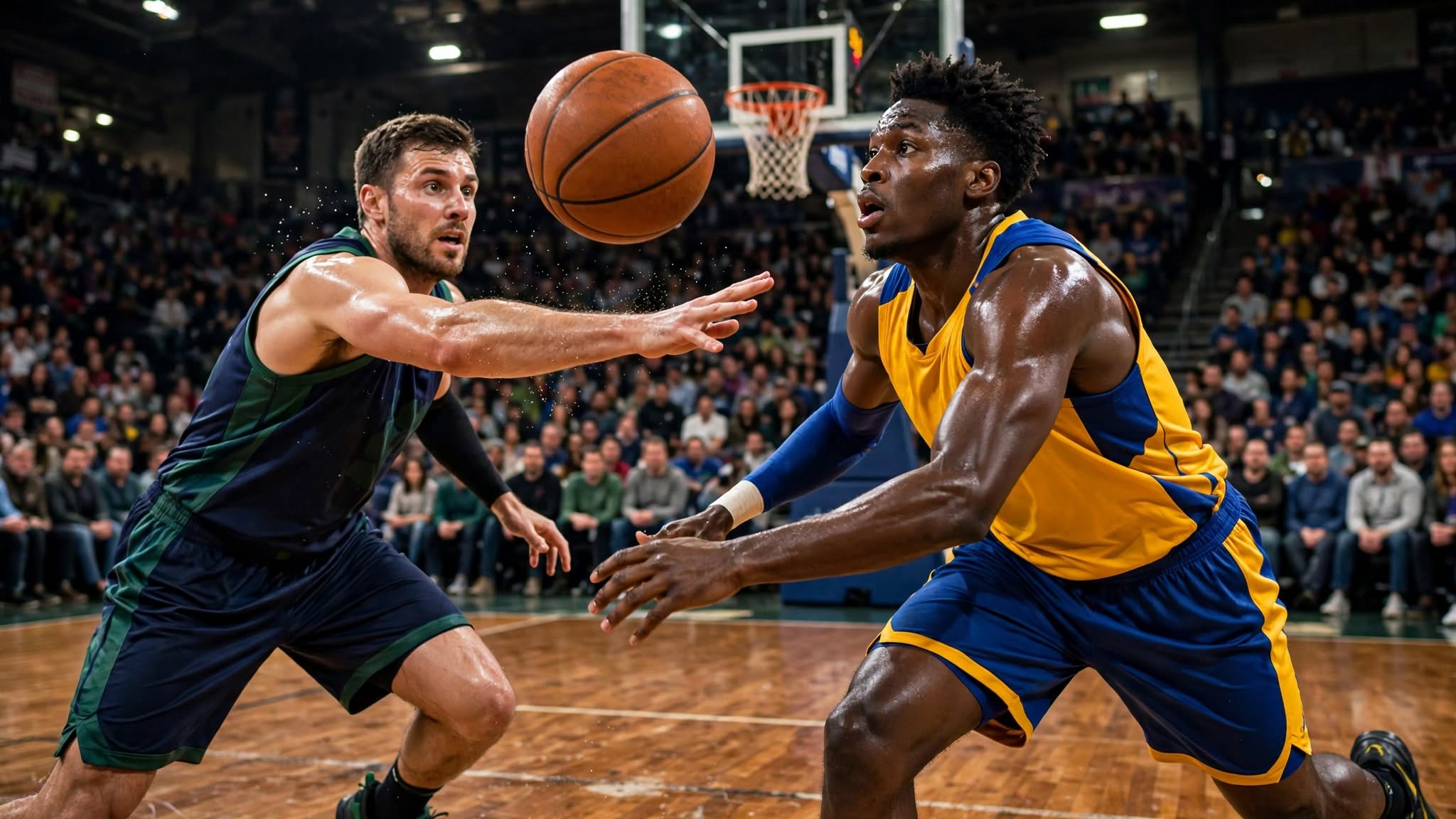
!Grizzlies vs Trail Blazers: 10 NBA Facts & History
Grizzlies vs Trail Blazers: 10 NBA Facts & History
The Grizzlies vs Trail Blazers matchup brings together two Western Conference teams with distinct basketball identities, ambitious rosters, and plenty of potential for exciting NBA action. The Memphis Grizzlies are known for their athleticism, aggressive defense, physical play, and ability to attack the basket, while the Portland Trail Blazers have developed a reputation for guard-driven offense, perimeter shooting, and creative scoring. Whenever these teams meet, fans get an opportunity to see contrasting styles compete, with individual performances, defensive adjustments, and shooting efficiency often playing important roles in the final result.
Interest in this matchup can increase around scheduled games, changes in the Western Conference standings, player performances, and updates involving injuries or starting lineups. Supporters want to know which team has home-court advantage, how the latest meeting finished, which players are performing well, and whether recent results suggest a competitive advantage. Others enjoy looking beyond the final score to explore the all-time head-to-head record, memorable games, and the evolution of both franchises.
The history of this contest stretches across different eras of professional basketball. The Grizzlies franchise originally began in Vancouver before relocating to Memphis in 2001, giving the team a distinctive history that connects two cities. Portland, meanwhile, has a long-standing NBA identity and a passionate basketball following in the Pacific Northwest. Their meetings have featured different generations of players, changing coaching philosophies, and evolving approaches to offense and defense.
One of the most interesting aspects of the Grizzlies vs Trail Blazers matchup is the contrast between athletic pressure and perimeter-oriented offense. Memphis can create opportunities through defensive stops, transition attacks, rebounding, and aggressive drives. Portland can respond with outside shooting, ball movement, and creative playmaking. The outcome often depends on which team controls the pace, limits turnovers, wins important rebounds, and converts scoring opportunities efficiently.
Player statistics provide another reason fans follow this matchup closely. Points, assists, rebounds, steals, blocks, turnovers, and three-point shooting percentages help explain how individual players influence the game. However, a single standout performance does not necessarily predict the next meeting. Recent form, opponent quality, player availability, coaching decisions, and home-court advantage all matter. Anyone researching a game preview or prediction should verify the latest injury report, expected lineups, schedule, and previous game score using reliable and current sources.
For fans interested in predictions, comparing recent meetings and the last five games can provide useful context, but it should not be treated as a guarantee. A meaningful analysis considers shooting efficiency, defensive performance, turnovers, rebounding, and player availability together. Betting odds and prediction picks can reflect market expectations, but they do not remove the uncertainty that makes basketball competitive.
The growing interest in NBA matchups also creates opportunities for content creators and YouTubers. Instead of producing only another game recap, creators can turn Grizzlies vs Trail Blazers into interactive trivia covering franchise history, memorable performances, basketball rules, player statistics, and head-to-head facts. QuizViral AI can help creators capitalize on this interest through automated bulk video generation from CSV imports. A spreadsheet containing questions, four answer options, correct answers, and short explanations can become the foundation for a themed NBA quiz series. Historical scores, player statistics, and current injury information should still be checked before publishing.
Ultimately, Grizzlies vs Trail Blazers is more than a comparison between two NBA teams. It brings together franchise history, contrasting playing styles, individual talent, statistical analysis, and the unpredictable excitement of Western Conference basketball.
Grizzlies vs Trail Blazers: Franchise History, Memorable Moments, and Basketball Analysis
From Vancouver to Memphis: The Grizzlies' Franchise Journey
The Memphis Grizzlies have one of the more unusual franchise histories in the NBA. The team originally entered the league as the Vancouver Grizzlies in 1995, becoming part of the NBA's expansion into Canada alongside the Toronto Raptors. After several seasons in Vancouver, the franchise relocated to Memphis in 2001. This transition created two distinct chapters in the team's identity: its Canadian beginnings and its later development as a Memphis basketball organization.
During the Memphis era, the Grizzlies became associated with a physical, defense-oriented style of basketball. One particularly memorable period was the team's Grit and Grind era, when players such as Marc Gasol, Zach Randolph, Mike Conley, and Tony Allen helped establish a reputation for toughness and defensive intensity. Their approach demonstrated that disciplined defense, rebounding, teamwork, and physical play could make a team highly competitive.
This history offers an excellent opportunity for basketball trivia. A question about the franchise's original city can surprise newer NBA fans who know the team only as Memphis. A follow-up question about the Grit and Grind era can introduce a different generation of supporters to the players who helped shape the franchise's identity.
Portland Trail Blazers: A Championship Legacy
The Portland Trail Blazers joined the NBA in 1970 and gradually developed into one of the league's recognizable franchises. Their most celebrated early achievement came during the 1976–77 season, when Portland captured its first NBA championship. Led by Bill Walton, the Trail Blazers defeated the Philadelphia 76ers in the NBA Finals, establishing a historic moment for the franchise.
Portland has also produced several memorable players across different generations. Clyde Drexler became one of the most important figures in the team's history, while Damian Lillard later developed into a defining modern-era star. Lillard's long-range shooting, clutch performances, and memorable game-winning moments helped create a strong connection with Portland supporters.
The franchise's history gives content creators multiple ways to build educational basketball episodes. Instead of asking only who scored the most points in a particular game, a quiz can explore championship history, famous players, franchise milestones, and the evolution of the team's playing style.
Contrasting Playing Styles: Memphis Defense Against Portland Offense
One of the most interesting tactical aspects of Grizzlies vs Trail Blazers is the way each team's strengths can influence the game. Memphis has often emphasized athleticism, defensive pressure, rebounding, and attacking the basket. Portland has traditionally relied heavily on guard play, perimeter shooting, and creative offensive possessions.
Consider a hypothetical situation in which Portland has possession with 30 seconds remaining and the score is tied. Its guard attempts to create separation using a screen near the three-point line. Memphis must decide whether to switch defenders, fight through the screen, or send a second defender to force the ball out of the primary scorer's hands.
Each defensive choice creates a different opportunity. Switching might create a mismatch, fighting through the screen could leave the shooter with limited space, and double-teaming could allow another Portland player to receive an open pass. This scenario illustrates why basketball is not simply about individual scoring ability. Communication, timing, spacing, and decision-making can determine the result of a possession.
Important Statistics to Compare Before a Matchup
When examining Grizzlies vs Trail Blazers statistics, it is useful to look beyond total points. Several measurements help explain how teams create and prevent scoring opportunities:
- Field-goal percentage: Shows how efficiently a team converts its overall shooting attempts.
- Three-point percentage: Measures shooting efficiency from beyond the three-point line.
- Rebounds: Reveal how effectively a team secures missed shots and creates additional possessions.
- Assists: Help illustrate passing, playmaking, and offensive teamwork.
- Turnovers: Show how frequently a team loses possession before completing an offensive opportunity.
- Free-throw percentage: Measures accuracy from the free-throw line.
For example, if Portland attempts 30 three-point shots and makes 12, its three-point percentage is 40%. That figure can be compared with Memphis's performance to understand the importance of perimeter shooting in a particular game. However, one statistic should never be used alone to predict the winner. Rebounding, defensive efficiency, player availability, and the quality of the opposition also matter.
Head-to-Head History and Recent Game Results
The all-time Grizzlies vs Trail Blazers record provides historical context, but the most recent meetings are often more useful when examining current team performance. Fans should compare the last five games, examine the final scores, and identify which players made important contributions. A close contest decided in the final minute tells a different story from a game in which one team controlled the scoreboard throughout.
When researching a particular meeting, use official NBA box scores to verify the date, venue, final score, starting lineups, and individual statistics. Remember that the Vancouver Grizzlies era belongs to the same franchise history as the Memphis Grizzlies. Historical comparisons should account for that distinction rather than treating Vancouver and Memphis as separate NBA franchises.
Current predictions also require updated information. Injury reports, player availability, home-court advantage, recent performances, and coaching decisions can all influence expectations. Previous results and betting odds may provide useful context, but neither guarantees the outcome of a future game.
A Unique Quiz Content Strategy: The Two-City Franchise Mystery
One particularly engaging way to turn this matchup into a YouTube trivia series is to create a recurring format called NBA Franchise Mystery. Each episode introduces a surprising historical clue and challenges viewers to identify the team before revealing the answer.
For example, begin with the statement: “This NBA franchise originally played in Canada before relocating to Tennessee in 2001. Can you identify the team?” Give viewers three seconds to answer before revealing the Memphis Grizzlies. Follow that question with a second challenge about Portland's 1977 championship. This creates a connected historical story rather than presenting unrelated questions.
Another useful format is a statistics challenge. Display a hypothetical shooting line of 12 successful three-pointers from 30 attempts and ask viewers to calculate the percentage. Reveal the answer—40%—and briefly explain the calculation. A specific number makes the challenge easier to understand and encourages viewers to participate in the comments.
QuizViral AI can help creators organize these episodes using CSV imports and automated bulk video generation. Prepare the questions, answer choices, correct answers, and explanations in a spreadsheet, then use the supported workflow to generate multiple videos. The historical clues and statistical challenges should be independently verified before production.
10 Grizzlies vs Trail Blazers Quiz Questions
Test your NBA knowledge with these ten questions covering franchise history, championship achievements, basketball rules, and the identities of both teams.
Question 1: In which Canadian city did the Grizzlies franchise originally begin playing in the NBA?
- A. Toronto
- B. Vancouver
- C. Montreal
- D. Ottawa
Correct Answer: B. Vancouver.
The franchise entered the NBA as the Vancouver Grizzlies in 1995 before relocating to Memphis in 2001.
Question 2: In which year did the Grizzlies relocate from Vancouver to Memphis?
- A. 1995
- B. 1998
- C. 2001
- D. 2005
Correct Answer: C. 2001.
The franchise began its Memphis chapter in 2001 after spending its initial NBA seasons in Vancouver.
Question 3: Which team won its first NBA championship during the 1976–77 season?
- A. Memphis Grizzlies
- B. Portland Trail Blazers
- C. Phoenix Suns
- D. Utah Jazz
Correct Answer: B. Portland Trail Blazers.
Portland won its first NBA championship in 1977 by defeating the Philadelphia 76ers in the NBA Finals.
Question 4: Which legendary center helped lead Portland to its first NBA championship?
- A. Bill Walton
- B. Shaquille O'Neal
- C. Patrick Ewing
- D. David Robinson
Correct Answer: A. Bill Walton.
Bill Walton was the central figure in Portland's 1976–77 championship campaign and earned NBA Finals MVP honors.
Question 5: Which former Memphis player was especially associated with the nickname “The Grindfather”?
- A. Tony Allen
- B. Damian Lillard
- C. Clyde Drexler
- D. Mike Conley
Correct Answer: A. Tony Allen.
Tony Allen became closely associated with Memphis's Grit and Grind identity because of his aggressive perimeter defense and competitive approach.
Question 6: Which Portland Trail Blazers star became famous for his long-range shooting and clutch performances?
- A. Marc Gasol
- B. Damian Lillard
- C. Zach Randolph
- D. Rudy Gobert
Correct Answer: B. Damian Lillard.
Lillard became one of Portland's most recognizable modern-era players, known for deep three-point shooting and memorable late-game performances.
Question 7: What does a team's field-goal percentage measure?
- A. The number of rebounds collected
- B. The percentage of attempted field goals that are made
- C. The number of personal fouls committed
- D. The percentage of free throws missed
Correct Answer: B. The percentage of attempted field goals that are made.
Field-goal percentage measures shooting accuracy across two-point and three-point field-goal attempts.
Question 8: If a basketball team makes 12 three-point shots from 30 attempts, what is its three-point shooting percentage?
- A. 30%
- B. 35%
- C. 40%
- D. 45%
Correct Answer: C. 40%.
Divide 12 successful shots by 30 attempts and multiply by 100. The result is 40%.
Question 9: What is the primary purpose of a defensive double-team in basketball?
- A. To create an extra substitution opportunity
- B. To place two defenders against one offensive player and pressure the ball
- C. To automatically award the offense two free throws
- D. To stop the game clock
Correct Answer: B. To place two defenders against one offensive player and pressure the ball.
A double-team can force a difficult pass, create a turnover opportunity, or make an offensive player give up possession. It can also leave another attacker open.
Question 10: Which statement correctly describes the historical relationship between the Vancouver Grizzlies and Memphis Grizzlies?
- A. They were two unrelated NBA expansion franchises
- B. The Vancouver franchise relocated and became the Memphis Grizzlies
- C. Memphis purchased a completely separate NBA franchise
- D. Vancouver became the Portland Trail Blazers
Correct Answer: B. The Vancouver franchise relocated and became the Memphis Grizzlies.
The Memphis Grizzlies are the continuation of the franchise that originally entered the NBA as the Vancouver Grizzlies in 1995.
What Makes Grizzlies vs Trail Blazers an Interesting NBA Matchup?
The Grizzlies vs Trail Blazers matchup offers more than a comparison of current scores. Its appeal comes from two distinctive franchise histories, different basketball identities, memorable players, and tactical questions that make every meeting worth examining. Memphis brings a franchise story that began in Vancouver, while Portland carries a championship legacy dating back to 1977.
For fans, comparing historical meetings, player performances, shooting statistics, and recent results provides a deeper understanding of the competition. For creators, these same details create opportunities for interactive basketball trivia. The Two-City Franchise Mystery, historical championship challenges, and statistical calculation questions can turn ordinary NBA facts into entertaining educational episodes.
Leveraging SaaS Automation for Modern Content Brands
The rise of faceless YouTube channels has changed how independent creators approach sports media. A basketball enthusiast no longer needs a professional camera, a recording studio, or a large editing team to build an NBA-focused content brand. With accessible software, AI narration, spreadsheet-based planning, and automated video production, creators can turn basketball knowledge into regular content for audiences around the world. Matchups such as Grizzlies vs Trail Blazers provide particularly useful opportunities because they combine team history, player achievements, statistical comparisons, and tactical discussions that can become multiple episodes.
The strongest opportunity is not simply producing more videos. It is building a recognizable basketball knowledge brand that viewers trust. A channel focused on Memphis and Portland could publish franchise-history challenges, player trivia, basketball rules, historical comparisons, and matchup explainers. When a new game attracts attention, the creator can release timely questions about recent performances while maintaining evergreen content about the two franchises.
QuizViral AI can lower the production barrier through CSV imports and automated bulk video generation. Instead of manually assembling every question and answer, creators can prepare a spreadsheet containing the question, four answer choices, the correct answer, and a short explanation. The supported import workflow can then help turn that material into multiple quiz videos. Automated AI voiceovers reduce the need to record every episode personally, while repeatable production workflows make it easier to maintain a consistent publishing schedule.
Background video loops can also help creators develop a visual presentation without filming their own footage. Minecraft parkour, space scenes, and nature footage can provide backgrounds for suitable general trivia or educational formats. For a Grizzlies vs Trail Blazers episode, however, basketball-related visuals, court animations, or appropriately licensed sports imagery may create a stronger connection to the subject. The visual choice should support the question rather than distract viewers from it.
Consider a practical example. A creator researches the Grizzlies franchise's Vancouver origins and Portland's 1977 championship season. They prepare 20 original questions, verify the historical details, and divide them into two themed batches. QuizViral AI helps generate the videos from the spreadsheet, while the creator reviews pronunciation, captions, answer timing, and explanations before scheduling publication. This workflow reduces repetitive editing while preserving the creator's responsibility for accuracy and originality.
There is also an important strategic distinction between using automation and producing repetitive content. Uploading dozens of nearly identical videos with generic narration and interchangeable visuals may make a channel less distinctive. Instead, use different formats for different learning experiences: a historical mystery, a player-statistics challenge, a basketball-rules question, or a tactical decision scenario. The Grizzlies' journey from Vancouver to Memphis, for example, offers a historical story that can be explored through several original questions rather than repeated in the same format.
For creators, SaaS automation should function as a production assistant rather than a substitute for editorial judgment. Research, question design, fact-checking, storytelling, and quality control remain essential. The real advantage comes from using technology to spend less time on repetitive assembly and more time developing valuable content that gives viewers a reason to return.
Unlocking Multi-Stream Revenue on YouTube
A basketball trivia channel can develop into a small digital media business, but monetization should be approached as a long-term process. The first objective is to attract a clearly defined audience and consistently provide content worth watching. A Grizzlies vs Trail Blazers quiz might attract attention when the teams meet, while evergreen episodes about NBA history, championship achievements, player records, and basketball rules can continue attracting interested viewers between games.
Understanding YouTube Partner Program Eligibility
For the full YouTube Partner Program advertising-revenue route commonly associated with Shorts, the baseline is 1,000 subscribers and 10 million valid public Shorts views within a rolling 90-day period. YouTube also offers a separate eligibility route based on qualifying public watch hours from long-form videos. Reaching a numerical threshold does not guarantee approval. Channels must meet the applicable monetization policies and other eligibility requirements, and YouTube reviews applications before granting access to monetization features.
Creators should distinguish between earlier-access YPP features and the requirements for full advertising-revenue sharing. Eligibility rules can change and may vary by region, so always check the official YouTube Partner Program documentation before planning around specific thresholds.
For a Grizzlies vs Trail Blazers channel, the goal should not be to upload as many Shorts as possible simply to chase views. Repetitive, mass-produced, or insufficiently original content can create monetization problems. Original historical research, carefully written questions, meaningful explanations, and a recognizable editorial style provide a stronger foundation for a sustainable channel.
Building an Email List Around Basketball Fans
An email list gives creators a way to maintain a relationship with interested viewers beyond YouTube's recommendation system. A basketball trivia channel could offer a free weekly NBA challenge, printable scorecard, or collection of original basketball questions in exchange for voluntary email subscriptions.
For example, after publishing a Grizzlies vs Trail Blazers history episode, a creator could invite viewers to receive a weekly basketball knowledge challenge featuring different teams and historical eras. The emails should offer genuine value, respect subscriber preferences, and include a clear way to unsubscribe. An engaged audience is more useful than a large list of people who never open the messages.
Custom Merchandise for a Recognizable Trivia Brand
Print-on-demand merchandise can provide another potential revenue stream without requiring creators to purchase large quantities of inventory in advance. Original products might include basketball trivia notebooks, generic game-night challenge shirts, scorekeeping journals, or branded merchandise built around the channel's own identity.
Avoid copying official Memphis Grizzlies or Portland Trail Blazers logos, player images, uniforms, or other protected branding without appropriate authorization. A channel can celebrate basketball culture through original designs without implying that its products are officially connected to either franchise. Validate audience interest before investing in product development, and make sure product descriptions accurately represent what customers receive.
Digital Trivia Downloads and Educational Products
Digital downloads are particularly relevant to a quiz-focused content brand. Creators can develop original NBA trivia packs, printable basketball party challenges, classroom worksheets, answer guides, and basketball rules reference sheets. A product called “The Ultimate Basketball History Challenge,” for example, could include questions about franchise relocations, championship seasons, famous players, and statistical calculations.
These products should provide more value than simply repeating questions from free videos. Add explanations, difficulty levels, answer keys, and carefully verified historical context. A creator could include a section about the Vancouver-to-Memphis franchise transition and another about Portland's first championship in 1977. This gives fans a structured activity they can use independently of the YouTube channel.
QuizViral AI can help creators produce the video content that introduces these products through CSV-based bulk generation. However, the software does not guarantee sales, audience growth, or customer relationships. The creator must still develop useful products, communicate honestly, disclose commercial relationships where required, and understand the legal rights associated with any material used.
A sensible monetization roadmap is to begin with consistent, original content, learn which basketball topics attract engaged viewers, and then test one additional revenue stream. Email subscriptions, merchandise, and digital downloads can complement advertising income over time. Building multiple sources of value reduces dependence on any single platform feature or individual video.
FAQ for Video Creators
1. Can a faceless NBA trivia channel get approved for YouTube monetization?
Yes. A faceless basketball channel can qualify for YouTube monetization if it meets the applicable Partner Program requirements and follows YouTube's policies. Appearing on camera is not a universal requirement. However, simply combining generic AI narration with repetitive questions or reused footage does not guarantee eligibility. A Grizzlies vs Trail Blazers channel should contribute original research, carefully constructed trivia, useful explanations, and meaningful educational value. Creators should also ensure that they have appropriate rights to use their music, images, and footage. Final approval depends on YouTube's review of the channel.
2. How quickly can a Grizzlies vs Trail Blazers trivia channel grow?
There is no guaranteed growth timeline. Results depend on topic selection, competition, video quality, audience retention, publishing consistency, and how effectively the creator responds to viewer interests. A major NBA matchup can create a temporary increase in attention, but a channel needs evergreen content to remain relevant between games. Build a manageable publishing schedule, experiment with historical and statistical challenges, and review analytics over multiple uploads. QuizViral AI can help reduce production time through CSV imports and bulk generation, but it cannot guarantee views, subscribers, or viral success.
3. How can I make automated basketball quiz videos original and copyright-safe?
Start with original question wording, verified historical information, and explanations that teach viewers something beyond the correct answer. Explore distinctive subjects such as the Grizzlies' Vancouver history, Portland's 1977 championship, player achievements, and basketball strategy. Avoid copying another creator's scripts or using NBA broadcast footage without an appropriate license or other valid legal basis. Use original graphics, properly licensed music, and authorized visual assets. Be especially careful with team logos, player photographs, and merchandise designs because these can involve trademark, copyright, and publicity rights. Keep records of asset permissions and check applicable platform policies before publishing or selling related products.
The Grizzlies vs Trail Blazers matchup offers a useful foundation for a basketball content business because it connects franchise history, memorable players, statistics, and tactical discussions. Creators can turn those subjects into engaging quiz episodes, organize production with CSV spreadsheets, and use QuizViral AI to simplify bulk video generation. The most sustainable strategy combines automation with original research, accurate explanations, responsible asset use, and a clear understanding of the audience. Ultimately, a successful content brand is not defined by how many videos its software can generate, but by how much value viewers receive from every episode.